
The Santhal Rebellion of 1855–56: A Cry for Justice

The Santhal World: Harmony Disrupted
Yet, beneath this idyllic existence, storm clouds were gathering. The British East India Company’s colonial machinery and its alliance with the exploitative zamindari system began to unravel the Santhal way of life. The Permanent Settlement of 1793 had empowered landlords (zamindars) to extract exorbitant rents and taxes from tribal and peasant communities, often with no regard for traditional land rights. The Santhals, who had been encouraged to clear forests and cultivate land in Damin-i-Koh, found themselves ensnared in a web of greed. Zamindars, moneylenders (mahajans), and British officials colluded to impose heavy taxes, seize lands for unpaid debts, and exploit Santhal labor. The dikus (outsiders, as the Santhals called non-tribal oppressors) charged usurious interest rates—sometimes as high as 50–100%—and manipulated land records to dispossess the Santhals. Corruption among British magistrates and police further deepened their misery, as justice was often sold to the highest bidder.
The Santhals’ communal land ownership clashed with the colonial obsession with private property, and their oral traditions of land rights were ignored by a bureaucracy that demanded written deeds. By the 1850s, the Santhals faced rampant displacement, forced labor, and cultural erosion. Their sacred groves were felled, their festivals mocked, and their dignity trampled. The once-free people of the hills were being reduced to tenants on their own land, their dreams of self-sufficiency crushed under the weight of colonial greed. It was in this crucible of despair that the seeds of rebellion were sown.
The Hul Ignites: A Divine Call to Arms
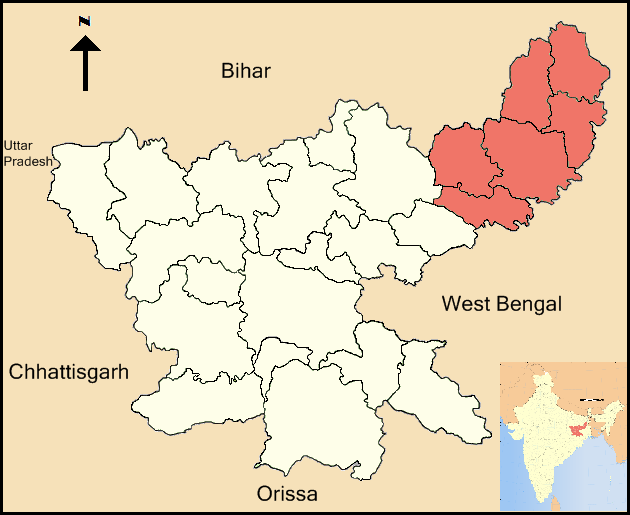
In 1855, the Santhal heartland simmered with rage. The tipping point came in the form of a divine vision. Sidhu Murmu, a charismatic Santhal from Bhagnadih village, claimed that Thakur Jiu (their supreme deity) had appeared to him, commanding the Santhals to rise against their oppressors. Sidhu, along with his brother Kanhu and their siblings Chand and Bhairav, became the torchbearers of a movement that would shake the foundations of British rule. These four brothers, unlettered but fiercely resolute, galvanized their people with a potent mix of spiritual fervor and revolutionary zeal. They declared the Hul (rebellion), a call to reclaim their land, dignity, and freedom from the dikus and the British.
On June 30, 1855, the rebellion erupted with electrifying force. In Bhagnadih, Sidhu and Kanhu rallied thousands of Santhals, their voices ringing with defiance: “We will not pay rent to the zamindars! We will drive out the dikus! This land is ours!” The brothers claimed divine sanction, proclaiming that Thakur Jiu had promised victory if the Santhals united. The rebellion spread like wildfire across the Santhal Parganas, with over 60,000 men, women, and even children joining the cause. Armed with traditional weapons—bows, arrows, axes, and spears—and fueled by righteous anger, the Santhals formed a decentralized but disciplined resistance. They communicated through sal branches passed from village to village, a symbol of unity and urgency.
The rebels’ strategy was both guerrilla and direct. They targeted symbols of oppression: zamindars’ homes, moneylenders’ ledgers, and British outposts. In July 1855, they attacked the market town of Barhait, looting the stores of exploitative traders and burning records of debt. The Santhals avoided pitched battles with the well-armed British troops, instead using their knowledge of the terrain to launch ambushes and melt back into the forests. Women played a crucial role, carrying supplies, spreading messages, and even fighting alongside men. The rebellion’s early successes sent shockwaves through the colonial administration, as the Santhals briefly controlled large swathes of the countryside.
The British were caught off guard. The Santhals’ unity and ferocity defied colonial stereotypes of “savage” tribes. Sidhu and Kanhu’s leadership was not merely martial but ideological—they envisioned a Santhal Raj, a self-governing society free from external domination. Their declarations, often delivered in impassioned gatherings, blended spiritual rhetoric with a clear political aim: the restoration of their land and autonomy. For months, the Santhals held their ground, their war cries echoing through the hills as they faced down British troops and their Indian sepoys.
The Storm Subsides: Suppression and Aftermath
The British response was swift and brutal. By late 1855, the East India Company deployed thousands of troops, including the 7th Native Infantry and artillery units, under commanders like Major Frederick Burroughs. Martial law was declared in the Santhal Parganas, and a scorched-earth campaign ensued. Villages were burned, crops destroyed, and hundreds of Santhals massacred. The rebels, armed with primitive weapons, were no match for British firepower in open combat. By early 1856, the rebellion was crushed. Sidhu and Kanhu were betrayed, captured, and executed—Sidhu was hanged in public, a grim warning to others. Chand and Bhairav met similar fates, and thousands of Santhals were imprisoned or killed. Estimates suggest 15,000–20,000 Santhals perished, their bodies scattered across the hills they had fought to defend.
The British, shaken by the rebellion’s scale, recognized the need for reform to prevent further uprisings. In 1855, the Santhal Parganas were carved out as a separate administrative unit, governed by the Santhal Parganas Tenancy Act (SPTA) of 1855. This act abolished the zamindari system in the region, recognized Santhal land rights to an extent, and introduced a non-regulation system where British officials directly administered the area, bypassing intermediaries. While these changes alleviated some grievances, they were more about consolidating control than addressing the root causes of Santhal discontent.
Legacy of the Hul: A Beacon of Resistance
The Santhal Hul was not just a rebellion; it was a clarion call that resonated across India’s tribal heartlands and beyond. It was one of the earliest organized tribal uprisings against British rule, predating the 1857 Sepoy Mutiny and setting a precedent for resistance against colonial exploitation. The Santhals’ fight for land and dignity inspired later tribal movements, such as the Birsa Munda-led Ulgulan (1899–1900) and the Tana Bhagat movement in Chotanagpur. Unlike the 1857 rebellion, which involved sepoys and elites, the Hul was a grassroots movement driven by an indigenous community, making it a unique chapter in India’s freedom struggle.
The rebellion’s significance lies in its exposure of the zamindari system’s injustices and the colonial state’s complicity. It forced the British to rethink their policies toward tribal regions, leading to administrative changes that, while limited, acknowledged the need for reform. The Hul also cemented the Santhals’ identity as a proud, resilient people, their songs and stories keeping the memory of Sidhu and Kanhu alive. Today, the Santhal Rebellion is celebrated in Jharkhand as Hul Diwas (June 30), a testament to its enduring legacy.
Compared to other tribal movements, the Hul was distinctive for its scale, organization, and spiritual underpinnings. While the Munda rebellion under Birsa Munda had a stronger millenarian character, the Santhal Hul combined religious zeal with clear socio-economic demands. Unlike the Khasi uprising (1828) or the Ahom rebellion (1828), which were more localized, the Hul’s reach across multiple districts foreshadowed the national scope of later anti-colonial movements.
The Santhal Rebellion was a cry from the margins—a reminder that even the most oppressed could rise against tyranny. It was a fleeting but fierce assertion of dignity, a spark that lit the path toward India’s long march to freedom.